
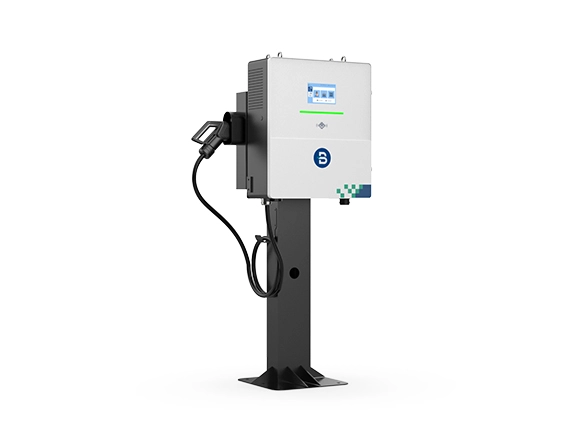
 Wallbox charging is often the most practical option for homes, apartments, offices, and light commercial locations. AC charging and portable charging may look simpler than high-power DC infrastructure, but poor selection can still create user frustration, installation risk, or unnecessary cost. The right choice depends on where the charger will be used and how often it will be relied on.
Important checks include installation quality, load capacity, user access, and long-term reliability. Buyers should not treat all low-power chargers as interchangeable. A home user may care about easy operation and safe overnight charging, while a business site may need access control, user identification, load limits, and a basic management process.
For buyers who want a concrete reference while comparing options, EVB’s EV wallbox can be reviewed alongside project requirements, site limitations, and long-term operating needs.
Installers and distributors should confirm local electrical requirements, protection functions, weather exposure, connector type, cable length, and documentation before recommending a model. For commercial sites, it is also worth considering whether AC charging will later sit alongside DC charging or a larger charging network.
A practical AC charging decision is based on safe daily use. The charger should fit the building, the driver’s routine, the available power, and the service expectations after installation. When those points are checked early, even a smaller charger can deliver a reliable experience over many years.
Wallbox charging is often the most practical option for homes, apartments, offices, and light commercial locations. AC charging and portable charging may look simpler than high-power DC infrastructure, but poor selection can still create user frustration, installation risk, or unnecessary cost. The right choice depends on where the charger will be used and how often it will be relied on.
Important checks include installation quality, load capacity, user access, and long-term reliability. Buyers should not treat all low-power chargers as interchangeable. A home user may care about easy operation and safe overnight charging, while a business site may need access control, user identification, load limits, and a basic management process.
For buyers who want a concrete reference while comparing options, EVB’s EV wallbox can be reviewed alongside project requirements, site limitations, and long-term operating needs.
Installers and distributors should confirm local electrical requirements, protection functions, weather exposure, connector type, cable length, and documentation before recommending a model. For commercial sites, it is also worth considering whether AC charging will later sit alongside DC charging or a larger charging network.
A practical AC charging decision is based on safe daily use. The charger should fit the building, the driver’s routine, the available power, and the service expectations after installation. When those points are checked early, even a smaller charger can deliver a reliable experience over many years.
Walk-Ins Welcome
Hungry? The counter's got a stool for you.
Reserve a booth for brunch, grab takeout, or just swing by — we've been pouring coffee on Court Street since 1998.